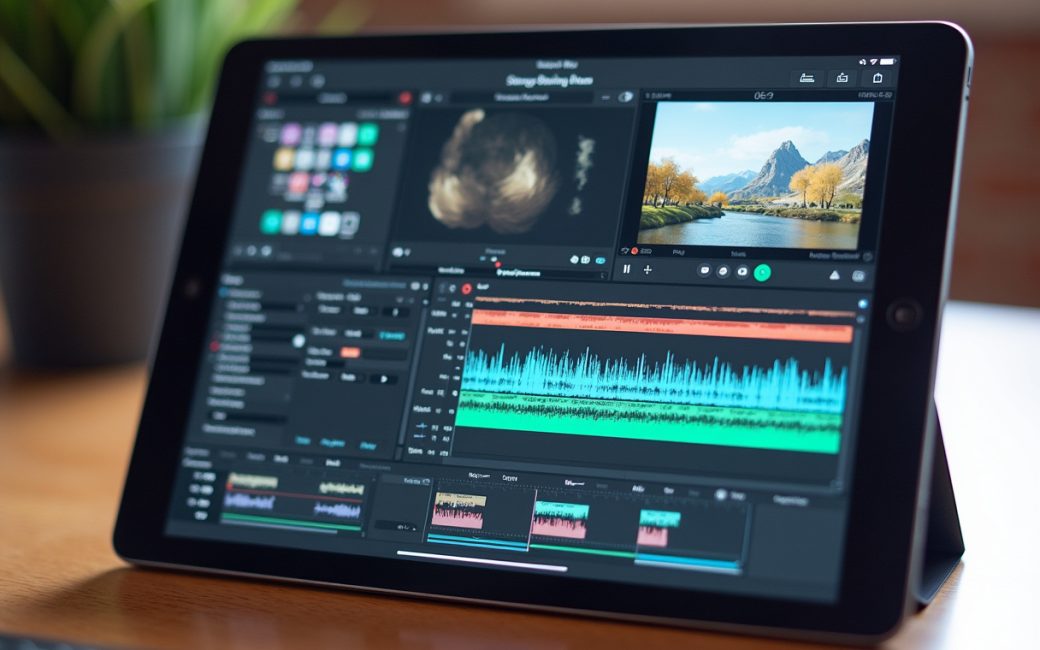
Five chip generations, one naming pattern
The iPad Pro line has moved from Apple's own A-series chips to four generations of Apple Silicon, and the current model is built around the M5 chip. Apple's own support documentation for the iPad Pro 13-inch (M5) lays out exactly what that chip generation supports — display, camera, and connectivity specifics that change from one M-series generation to the next.
Older generations don't disappear from the market once a new chip ships; they tend to show up discounted. A 2020 iPad Pro deal advertised that generation's models starting at $600, which is a useful anchor for what an earlier chip generation costs once it's no longer the current one — not what it cost at launch.
What the chip generation actually changes
A chip generation is shorthand for three things a buyer actually experiences: processing speed, how long the device keeps receiving new iPadOS features, and which accessories and multitasking modes are available at all. Apple has, across recent iPad Pro generations, tied certain software and display capabilities to the chip inside rather than to the calendar year a model shipped — which is why two Pro models that look identical can behave differently depending on which chip generation they carry.
This matters most for:
- Sustained, heavy workloads like video or audio editing, where processing headroom shows up over time, not in a quick demo
- On-device machine learning tasks, which depend on the neural engine generation
- How many years of iPadOS updates the device is likely to receive before falling off the support list
None of this shows up on a spec sheet as a single number — it's a function of which chip generation a specific model carries, which is why checking the chip is the first step before comparing storage.
Storage tiers and what they actually cost
Storage is where the price gap between the cheapest and most expensive iPad Pro configuration opens widest. Apple's support page for the current iPad Pro 13-inch (M5) lists the available storage configurations directly, and the jump from the base tier to the top tier is not evenly priced — the largest jump sits at the top of the range, not the middle.
Storage discounting also happens unevenly. Engadget reported a $150 price cut specifically on the 512GB configuration of the 12.9-inch iPad Pro — a single example of a mid-tier configuration being discounted, not evidence of a general retailer pattern across all storage tiers or models.
The practical guidance: base storage is usually enough for anyone working mainly in cloud-synced apps. The jump to the largest tier only earns its price if you're storing large video files, offline creative-app projects, or multiple full-resolution photo libraries directly on the device.
iPad Pro vs. iPad: which Apple tablet is actually the right one
The base iPad and the iPad Pro run the same software ecosystem, outlined on Apple's iPadOS and apps overview, but they're built for different workloads. The standard iPad is priced for note-taking, browsing, and media use — tasks covered by Apple's own note-taking feature page. The Pro line is priced for sustained creative and processing work that the base iPad's chip and memory aren't built to carry for long stretches.
There isn't a tablet that beats the iPad Pro at its own job — sustained professional workloads inside Apple's ecosystem — without leaving that ecosystem entirely, which usually means giving up the apps the question is being asked about in the first place. The more useful question is whether the Pro's job is the job you actually have. If your use is lighter — notes, reading, video calls, a smaller footprint — Apple's iPad mini covers the same software at a smaller size and lower price than any Pro configuration. The "best Apple tablet" is the one sized to the workload, not the one with the highest number in its name.
How Apple Ads place ads in front of App Store users
Separately from the hardware, anyone who searches the App Store on an iPad Pro is also a participant in Apple's own ad-buying system, Apple Ads — not to be confused with Apple's general consumer advertising for its products. An app developer, acting as the advertiser, creates a campaign and sets a bid; that bid competes in an auction for a specific ad placement, such as a search-results slot, a Today tab feature, or a spot on a product page. The winning bid and the placement type together determine the campaign's cost — a Today tab placement and a search-results placement don't draw the same competition or price.
Once an ad is shown to an App Store user, the system attributes any resulting app download back to the campaign that produced it, which is how an advertiser tells which placement is actually paying off. From there the adjustment loop is straightforward: underperforming placements get a lower bid or get dropped, and placements that convert get more budget.
Apple also collects account, device, and download data to power personalized ads across the App Store, Apple News, and Stocks. A user who wants to limit this can turn off personalized advertising in the device's privacy settings — doing so reduces how tailored the ads are to that person's data, but it does not reduce how many ads appear.
What to check before buying
Confirm the chip generation first, then the storage tier, then the price gap between tiers at whichever retailer you're comparing — discount patterns on specific storage configurations shift often enough that the best-value configuration this month isn't guaranteed to be the best-value one next month.